Hand-Coding vs DIY Builders: Cost, Performance and Hidden Fees

If you're a small-business owner looking for a new website, you'll almost certainly face the same decision: build it yourself with a drag-and-drop platform, or invest in a professionally hand-coded site. DIY builders promise speed and low upfront costs, while custom builds sound more serious (and often more expensive). In this article, we'll break down what those options really mean, where the hidden trade-offs lie, and how to decide which route makes sense for your business in the long run.
What Do We Mean by Hand-Coding and Site Builders
At a basic level, DIY site builders are platforms that let you assemble a website using pre-built templates and visual editors. You choose a design, drag sections into place, and publish; often without touching any code. A hand-coded site, on the other hand, is built from the ground up by a developer who writes the HTML, CSS and JavaScript specifically for your business, rather than fitting your content into a template.
Popular DIY builders include:
- WordPress (with page-builder plugins like Elementor or Divi)
- Wix
- Squarespace
- Shopify (for ecommerce)
- Webflow
These tools are powerful and accessible, which is why they dominate the market. For many businesses, they're the first place people look.
When we talk about hand-coded websites, we mean something different from simply installing a theme and tweaking it. A custom build involves designing your layout from scratch, structuring pages around your goals, optimising every asset for speed, and avoiding unnecessary third-party scripts. It's a more personal process, and at WebConduit, we handle everything for you: from design and development to hosting, performance optimisation and ongoing care through our All-In-One Website Package.
A common misconception is that hand-coding automatically means something outdated or inflexible. In reality, modern custom sites are responsive, easy to manage, and designed to grow with you. On the flip side, DIY builders aren't always "cheap" or "simple" once you start adding features, paying for upgrades, or troubleshooting issues yourself.
Customisation and Scalability
DIY platforms revolve around templates. You start with a layout that already exists and adapt it to suit your brand. That's quick, but it also means your site is constrained by what that theme or builder allows.
With a bespoke build, the design starts with your business rather than a template library. Page layouts, animations, forms and calls-to-action can all be crafted to match your brand and conversion goals, rather than being squeezed into predefined blocks.
Growth is where the differences become clearer. As your business evolves, you may want to add landing pages, booking systems, integrations, multilingual content or advanced ecommerce features. Builders can handle some of this, but often through extra plugins, paid add-ons, or higher subscription tiers.
Over time, many businesses hit a point where their site builder starts to feel restrictive. Custom layouts become awkward, performance suffers under the weight of plugins, or the platform simply doesn't support what they want to do next. That's often when companies start considering a rebuild.
Performance and Page Speed
Website speed isn't just a technical nicety: it directly affects conversions and search rankings. Studies consistently show that slower pages lead to higher bounce rates and fewer enquiries, and Google has made performance a ranking factor. We've covered this in more detail in our previous post on why website performance matters.
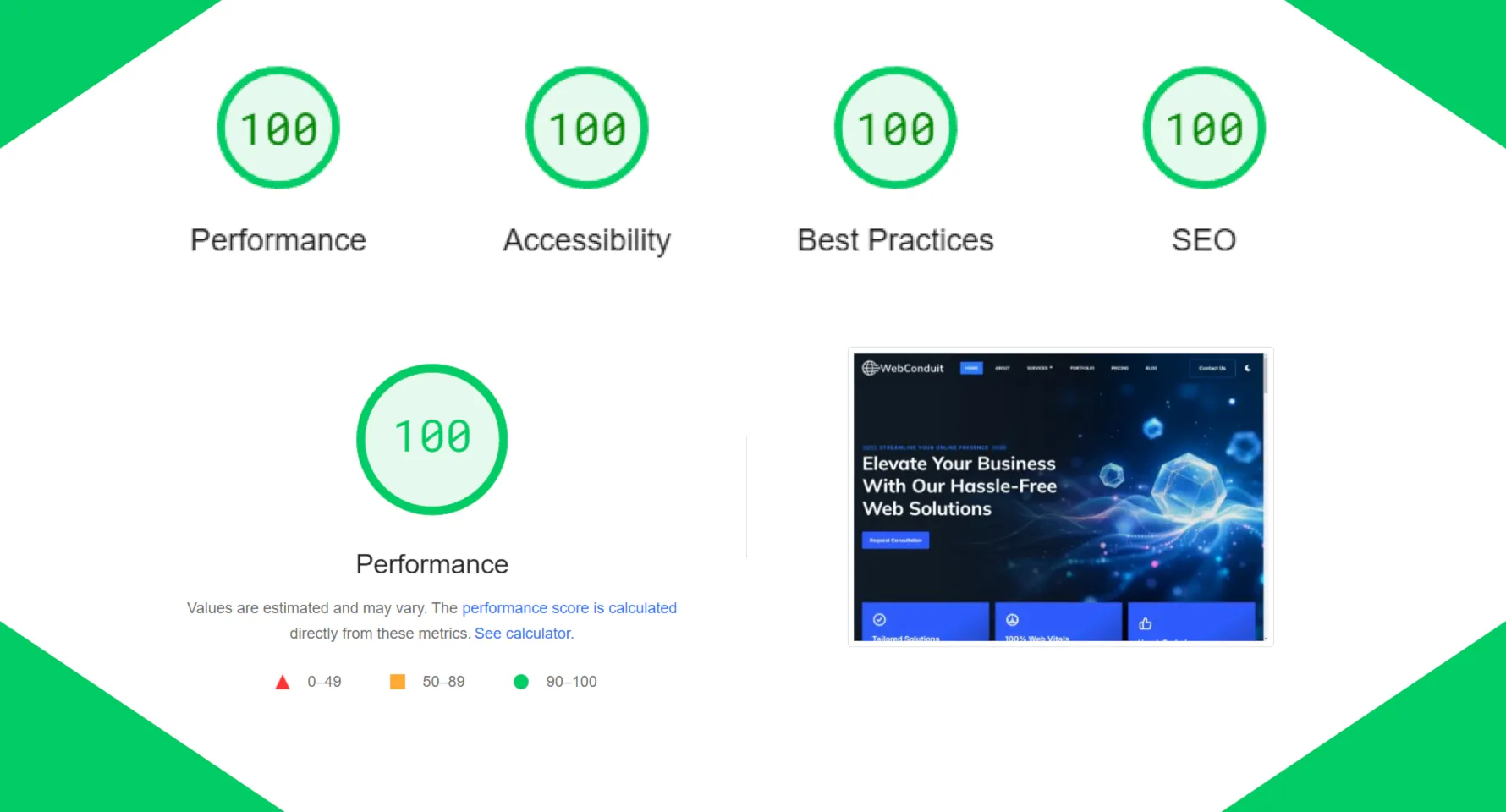
Hand-coded sites typically ship only the code they actually need. There's no generic theme framework, no unused widgets, and no dozen scripts loading "just in case." That lean approach usually translates into faster load times. At WebConduit, we guarantee a 98+ Performance score and perfect 100s in Accessibility, Best Practices, and SEO on Google PageSpeed Insights.
DIY platforms often rely on layers of plugins and third-party tools to deliver features. Each one adds extra CSS, JavaScript and network requests, which can drag performance down, especially on cheaper hosting plans.
Mobile performance is particularly important, since most small-business traffic now comes from phones. Tools like our PageSpeed audit and Core Web Vitals checks can highlight whether your site is struggling with slow loading, poor responsiveness or layout shifts. These issues are far more common on heavily customised builder sites.
The Real Cost Over Time
The headline price of a DIY builder is often appealing, but it rarely tells the full story. Over several years, costs tend to fall into a few categories:
Lost Traffic and Enquiries from Poor Performance
Slow sites convert fewer visitors. If your pages take too long to load or feel clunky on mobile, you may be losing potential customers without even realising it. Research shows that 53% of mobile traffic is lost if your website takes 3 seconds to load.
Premium Plugins and Upgrade Tiers
Basic plans often lack essentials like advanced forms, SEO tools, backups or ecommerce features. These usually require paid plugins or higher monthly subscriptions. What starts as a £10/month basic plan can quickly escalate to £50+ once you add the features you actually need, while still forcing you to do all of the work.
Security Issues and Patching
Platforms like WordPress are frequent targets for attacks because of their plugin ecosystems. We've written before about a particularly bad WordPress vulnerability and why keeping everything updated is critical, but that maintenance takes time or money. Each plugin represents another potential security hole.
Paying a Developer Later to Fix Things
Many businesses eventually hire a professional to clean up bloated themes, resolve conflicts, or rebuild sections that no longer work. Those "fix-it" projects can easily exceed what a custom site would have cost upfront. Typical website updates cost between £200-£650 per month when you need professional help.
When you look at the total spend over three to five years (not just the first month), the gap often narrows considerably.
Maintenance and Security
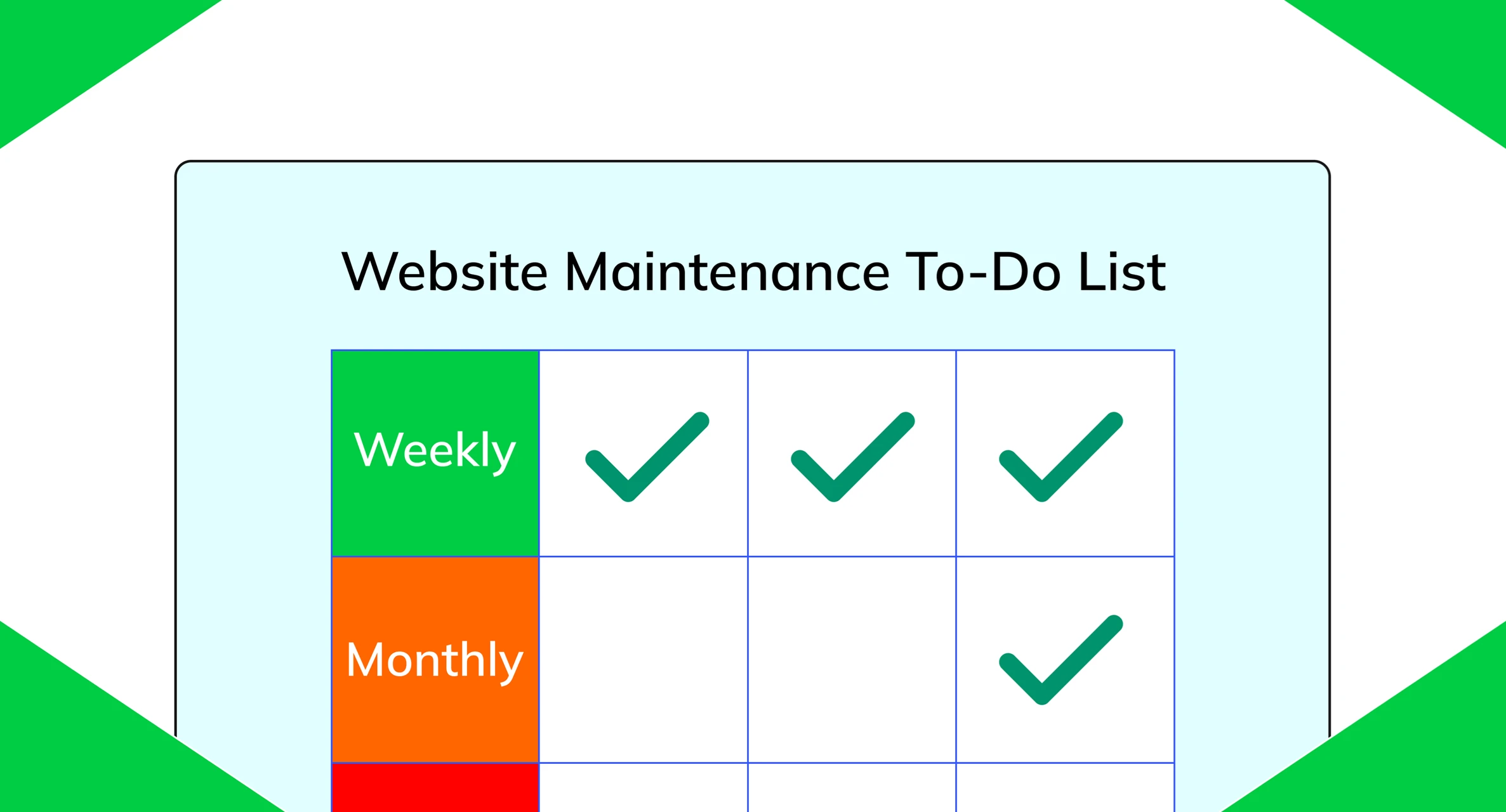
DIY platforms don't run themselves forever. Themes and plugins need regular updates, and those updates can occasionally break layouts or features. Someone has to test changes, resolve conflicts, and make sure the site still works across browsers and devices.
There's also the question of third-party risk. Each plugin or integration is another piece of code written by someone else, with its own update schedule and potential vulnerabilities. With WordPress, 96% of security vulnerabilities come from plugins or themes, not the core platform itself.
With hand-coded sites like ours, stability and security are part of the build process. We minimise external dependencies, keep the codebase lean, and manage hosting and updates as part of our All-In-One Website Package. You're not left juggling dashboards or worrying about whether the latest plugin update will knock your site offline. We handle security updates, unlimited backups, performance monitoring, and maintenance so you never have to worry.
Which Option Makes Sense for Your Small Business
DIY builders might seem appealing for very early-stage projects: a personal blog, a side project, or something you need online immediately with essentially no budget.
But if your website represents your business (even a simple brochure site), a custom hand-coded approach delivers better value. Whether you're generating leads, showcasing your services, or building credibility with potential clients, you get faster performance, stronger security, and a site designed around your goals rather than a template. First impressions matter, and a professional hand-coded site ensures your business looks credible from day one.
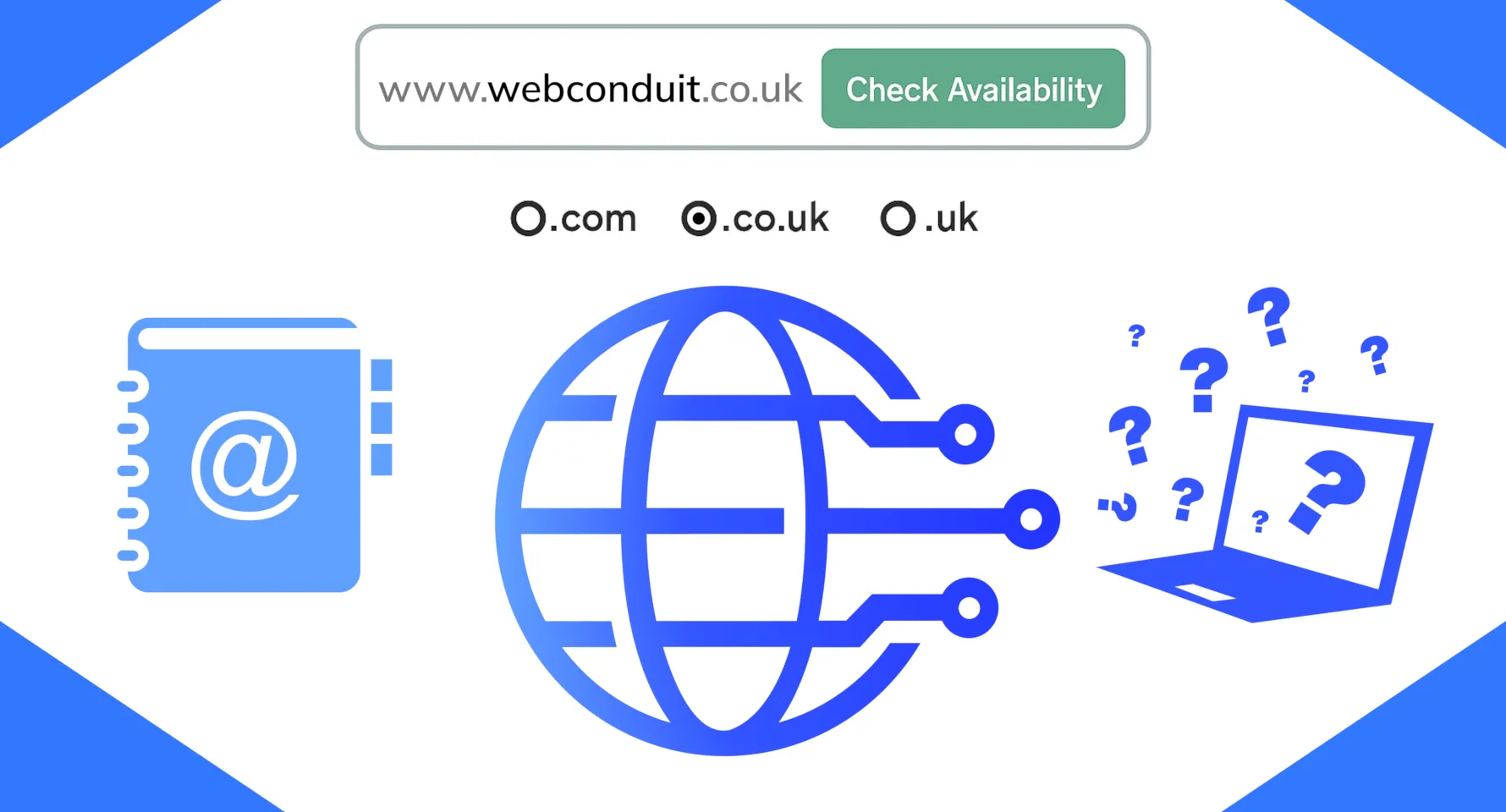
Thinking in three- to five-year terms helps. Will you outgrow the platform? Will subscription fees climb? Will you need a redesign? Our All-In-One Website Package includes ongoing care and even a free redesign down the road, which removes a lot of the long-term uncertainty. With plans starting at £99/month, you get everything: domain registration, hosting, business email, backups, unlimited text edits, and more.
Add in the benefits of better performance (we guarantee 98+ Performance scores and 100s across all other Core Web Vitals), fewer security headaches, and not having to constantly manage plugins, and the custom route starts to look less like a luxury and more like a strategic investment.
Final Thoughts
DIY site builders have their place, especially for quick starts and simple needs. But as businesses grow, the trade-offs around performance, flexibility, security and hidden costs become harder to ignore. A professionally hand-coded site offers speed, stability and a design tailored specifically to your business, without the plugin sprawl or maintenance burden.
If you'd like a website that's built for the long term, fully managed, and even comes with a free redesign down the line, take a look at our All-In-One Website Package and see how a custom build could work for you. We handle everything from domain registration to hosting, security updates, and unlimited edits, so you can focus on running your business while we keep your website fast, secure, and hassle-free.